
Where an independent read changed the outcome.
The value of a vendor-neutral advisor shows up in the decision that didn’t go wrong. These are the kinds of engagements we take on: the problem, the approach, and what changed.
Representative engagements, drawn from the partners’ decades of work. Client details are withheld; named client stories will appear here as they’re cleared to publish.
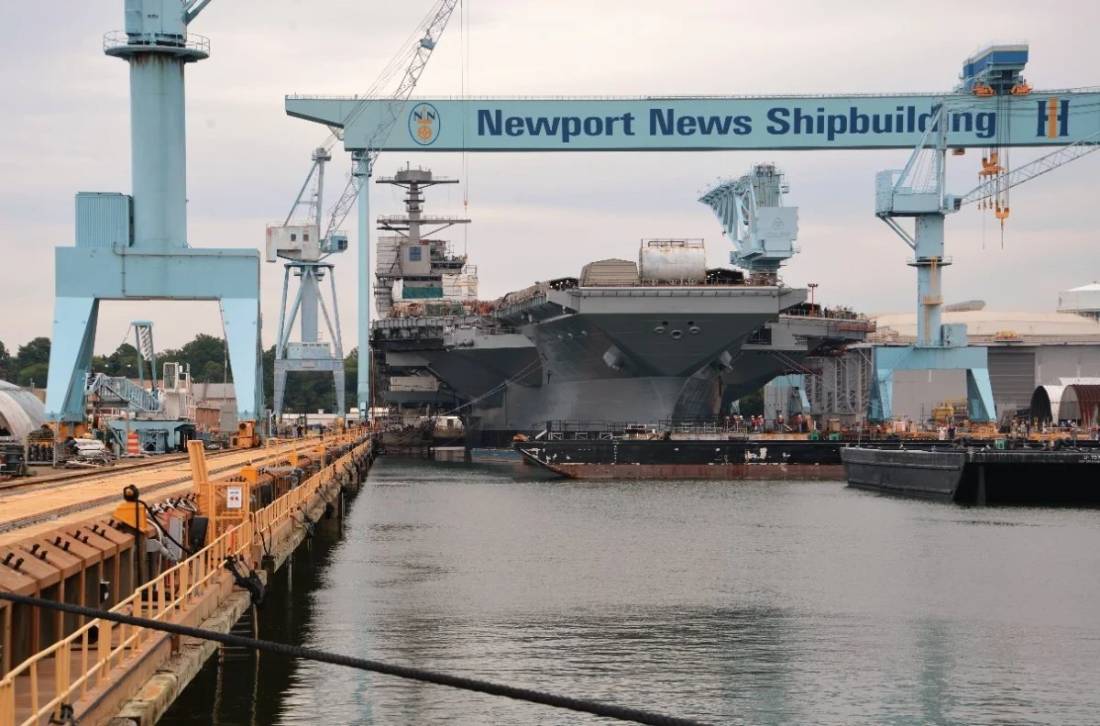
An independent read before a major tracker purchase
A yard was weighing a large-volume measurement system with three vendors each insisting theirs was the right one, and a six-figure decision on the line.
We defined the real requirements from the parts, tolerances, and floor conditions rather than the catalog, then pressure-tested each vendor’s claims against them.
A clear, reasoned choice, and the confidence that the spend matched the need instead of the sales pitch.
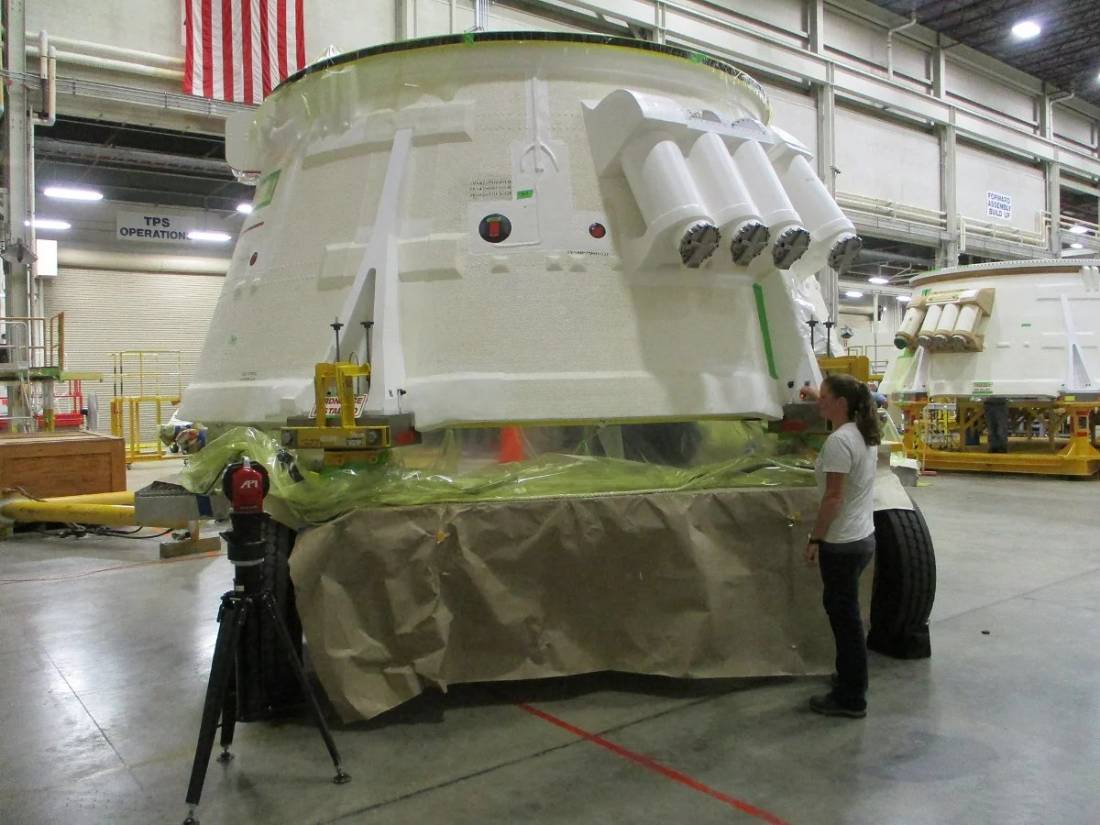
Recovering accuracy no one could explain
A supplier’s results were drifting out of tolerance on a critical part, with no obvious cause and a customer starting to ask questions.
We watched how measurement was actually being done, looking at method, fixturing, and repeatability rather than assuming the instrument was at fault.
The workflow issues behind the drift were found and corrected, tightening accuracy without spending a dollar on new equipment.
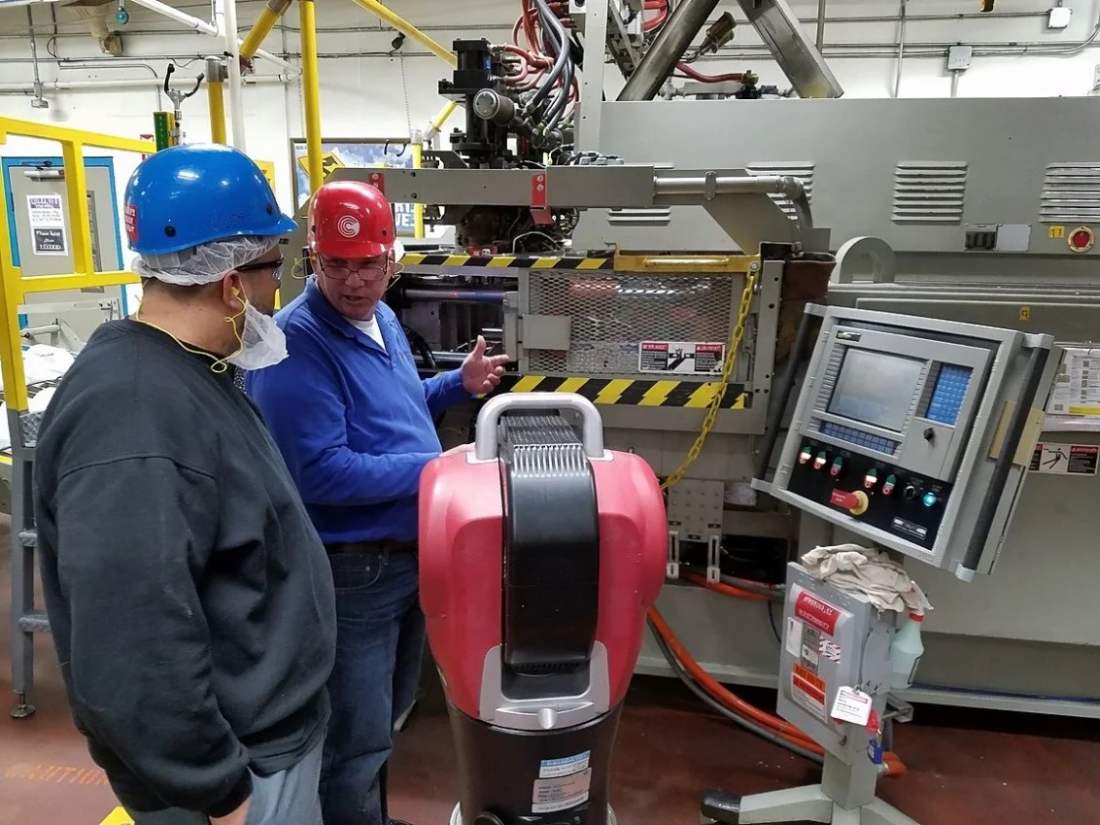
Getting a stalled system back into production
A capable system had been bought and then left sitting after the vendor training ended, used for one job a month, if that.
We named an owner, trained the team on their own parts rather than a demo, and adjusted the workflow so the new method fit how the shop actually runs.
The system earning its keep in daily production, run by the team, without us in the room.
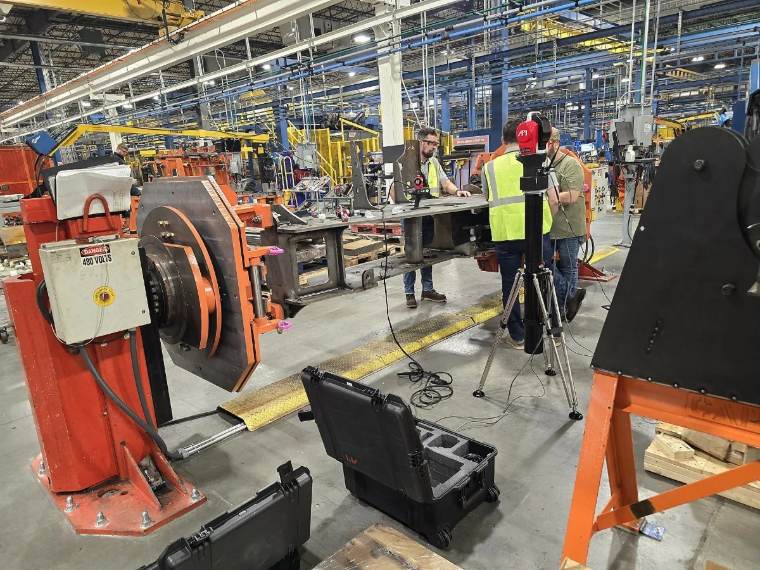
Meeting a rare requirement without overbuying
A supplier faced a customer requirement that called for a capability they’d genuinely need only a couple of times a year, which was hard to justify buying.
Instead of steering them toward a capital purchase, we connected them with a vetted service partner from our network who already had the capability.
The requirement met, the customer satisfied, and the capital preserved for the equipment they actually use every day.
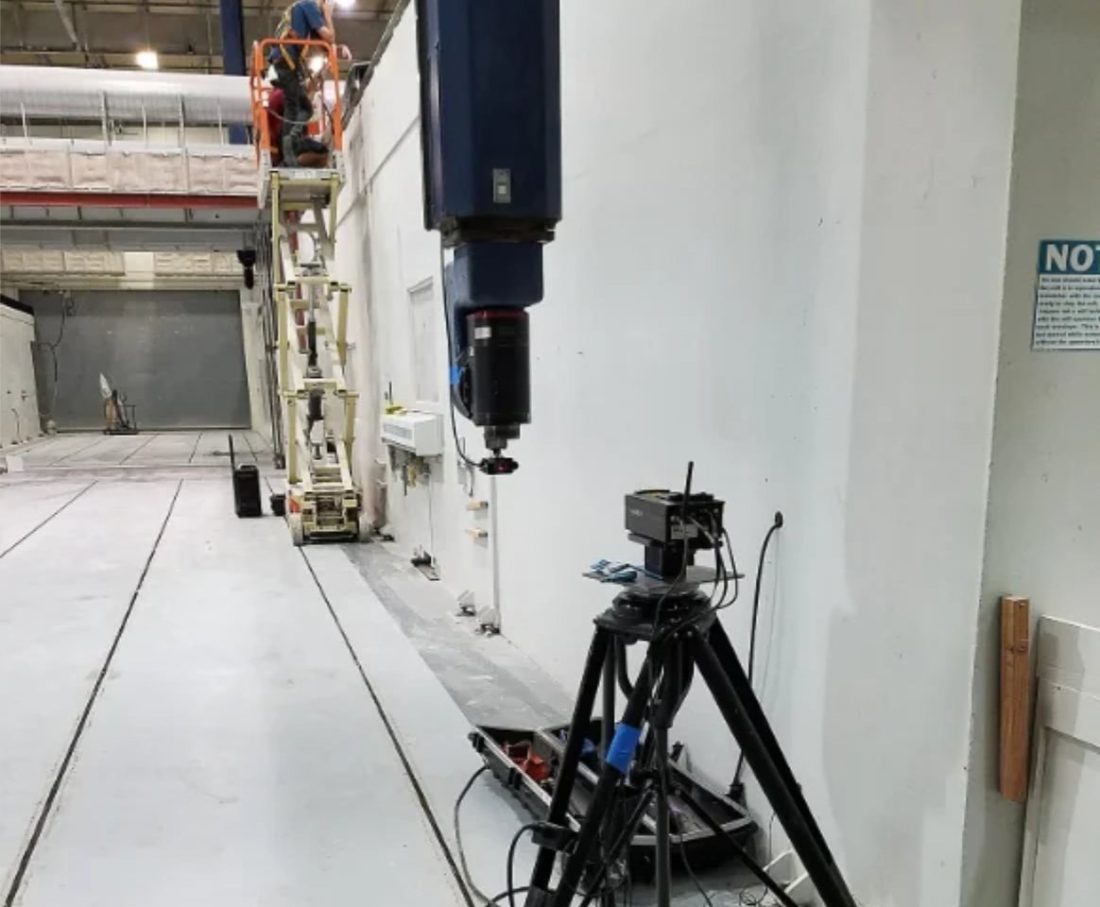
The machine that passed every test and still cut bad parts
Test cuts on a five-axis machine kept failing while the machine passed every check the shop knew how to run. Weeks went into blaming the program, the operator, and the material.
We reviewed the machine’s geometry and the calibration it had actually been getting, then looked at the errors a standard cal never touches: the rotary axes and what they do to the tool vector.
A rotary out of plane by half a millimeter over eighteen inches, which nobody had ever measured because it isn’t part of a standard cal. The shop commissioned the right survey, and the test cuts passed.
Your problem could be the next one here.
Tell us what you’re facing. We’ll give you a straight, independent read. And if we’re not the right fit, we’ll tell you that too.
Not sure yet? Book a free 20-minute fit call. We’ll tell you honestly if you don’t need us.